The best Sydney Festival events to take the kids to this summer


The best Sydney Festival events to take the kids to this summer
School holidays + Sydney heat + bored children = a dangerous combo. Thankfully, Sydney Festival is back in January with a stack of family-friendly shows, art and free outdoor fun that’ll entertain everyone from pram-bound toddlers to too-cool teens.
We’ve combed through the “Treat the Kids” line-up to pick out the stand-out experiences – from inflatable oceans and bike-powered magic to outdoor symphonies under the stars. Here’s your hit list.
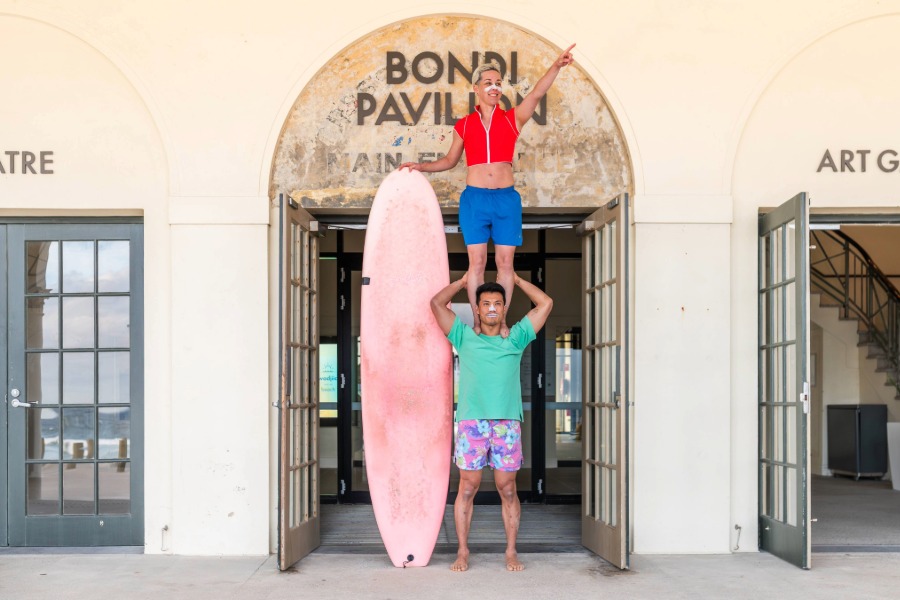
1. WAVERIDER – an inflatable ocean adventure at Bondi
- What it is: A giant inflatable world of waves, colour and movement from physical theatre legends Legs On The Wall. Kids can clamber, bounce and explore as performers bring this surreal seascape to life.
- When & where: 8–18 January, Bondi Pavilion
- Cost: Free 🆓
Why kids (and parents) will love it:
It’s basically a huge, arty jumping castle by the beach. There’s no need to convince kids to “appreciate the arts” – they’ll be too busy climbing, sliding and squealing. For parents, it’s a perfect combo: ocean dip, playground energy burn, then a coffee while you bask in the smug glow of having done “culture”.
Best for: High-energy kids, mixed-age siblings, anyone who needs to burn off post-ice-cream jitters.
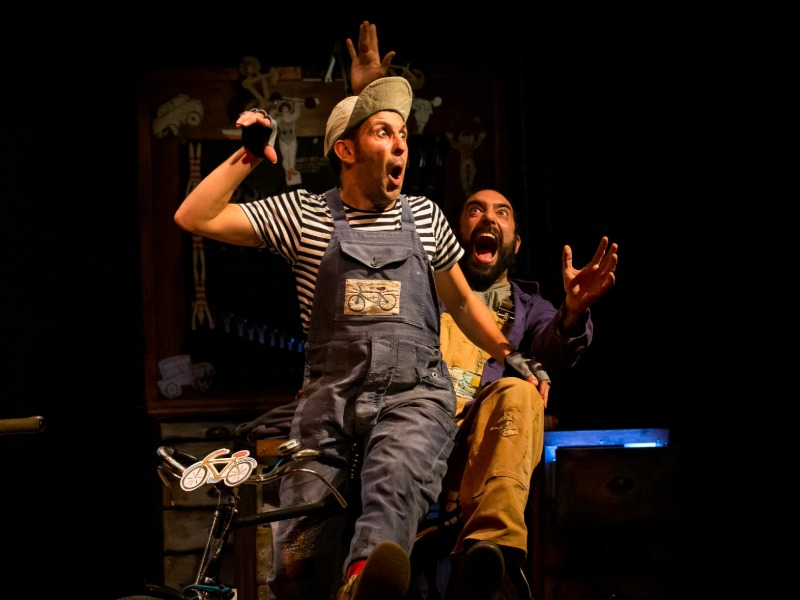
2. Rothar – a magical bicycle repair shop at the Opera House
- What it is: A charming, visually rich show where an ordinary bike repair shop transforms into a dreamy world of imagination. Expect physical theatre, clever sound design and plenty of visual storytelling – great even for younger kids who aren’t big on dialogue.
- When & where: 14–18 January, Sydney Opera House
- Cost: From $39 + booking fee
Why kids will love it:
Bikes, gadgets and a sprinkle of stage magic – this is the kind of show that leaves kids buzzing with ideas and desperate to tinker with anything that has wheels. It’s also a beautiful excuse to introduce them to the Opera House in a way that feels fun and accessible, not grown-up and stuffy.
Best for: Ages 5+, imaginative kids, families who love storytelling and design.
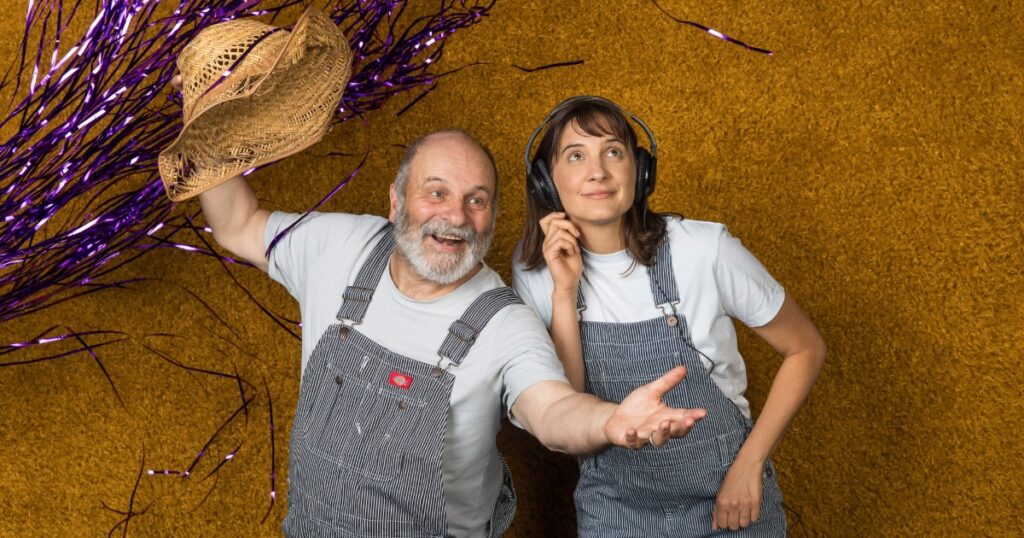
3. Garden of Sound – kids as part of the orchestra
There are two versions of this interactive music experience – one at PHIVE in Parramatta and one in Sutherland – so families across Sydney get a shot.
- What it is: Kids are invited to “play their part in an innovative symphony”, using movement, sound and technology to help build a living piece of music. It’s hands-on, creative and very different to sitting quietly in a concert hall.
- When & where:
- 7–11 January, Riverside Live at PHIVE (Parramatta)
- 16–17 January, The Pavilion Performing Arts Centre Sutherland
- Cost: Around $25 + booking fee
Why kids will love it:
If your child is the one who can’t walk past a piano or drum kit without touching it, this is their moment. They get to help make the music rather than being told to sit still and listen. It’s also a clever way to sneak in a bit of STEAM learning (sound, tech, creativity) without anyone noticing.
Best for: School-aged kids, budding musicians, sensory seekers.
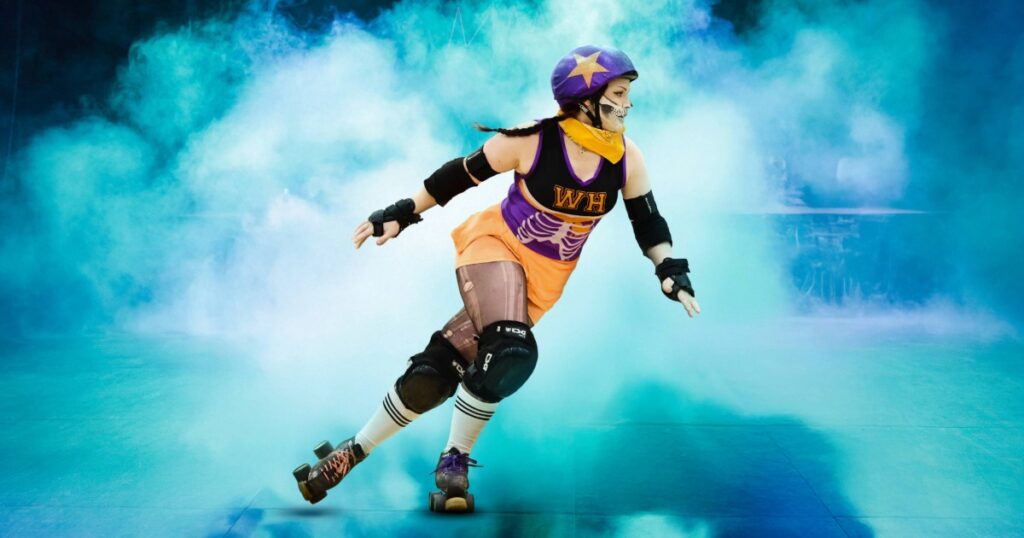
4. Mama Does Derby – big-hearted theatre about family and finding your people
- What it is: A “high-octane ode to family and finding your people”, this theatre piece takes over Sydney Town Hall and mixes humour, heart and spectacle. Think bold characters, big feelings and a storyline parents will connect with just as much as the kids.
- When & where: 15–22 January, Sydney Town Hall
- Cost: $44–$109 + booking fee
Why kids will love it:
Older kids and tweens get a lot out of seeing stories about friendships, teams and belonging – especially when they’re delivered with wit and energy rather than a moral lecture. This one’s perfect if you’re ready to graduate from “little kids’ shows” into something with more emotional depth, but still plenty of fun.
Best for: Tweens and teens, families with sporty or performance-obsessed kids, one-on-one date nights with bigger kids.
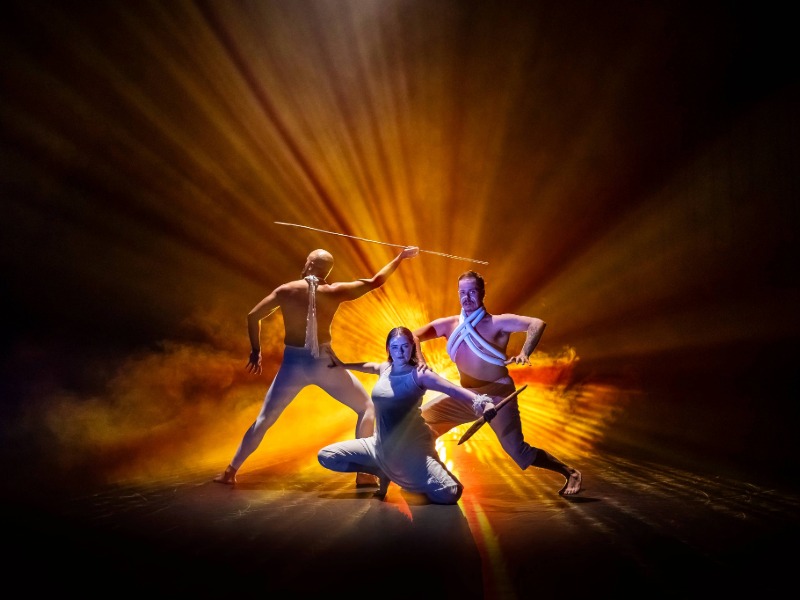
5. Garabari – dance, culture and connection at the Opera House
- What it is: A joyful, high-energy corroboree from Joel Bray Dance, inviting audiences to dance, gather and connect on Gadigal Country at the Opera House. (Sydney Festival)
- When & where: 9–11 January, Sydney Opera House
- Cost: Around $59 + booking fee
Why kids will love it:
If your kids light up at music videos, TikTok dances or school performances, they’ll be mesmerised by this. It’s a chance to experience contemporary Indigenous performance in a way that’s uplifting, welcoming and absolutely not like sitting through a dry history lesson.
Best for: Primary schoolers and up, families keen to deepen kids’ understanding of First Nations cultures through art.
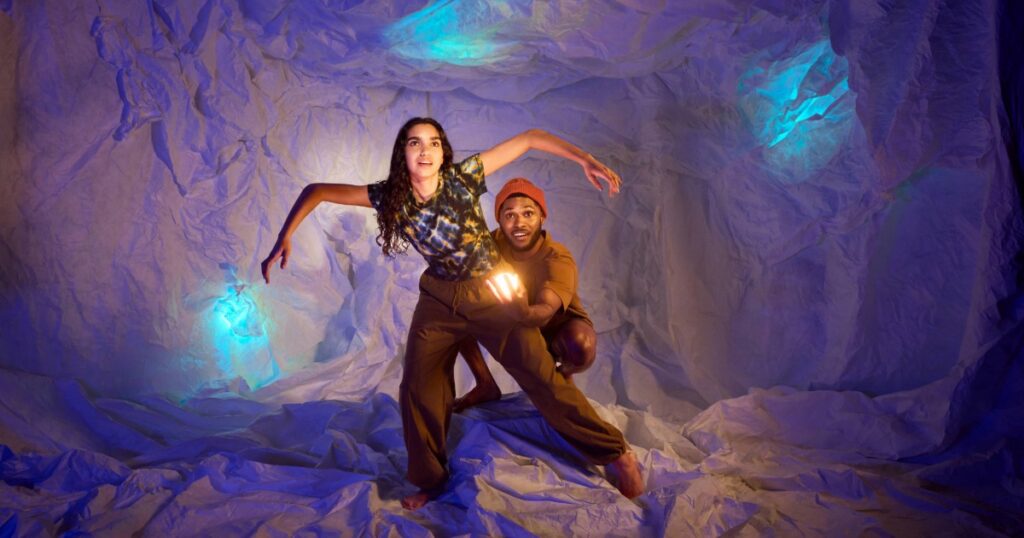
6. The Bogong’s Song: A Call to Country – small creatures, big message
- What it is: A BLAK OUT family work by Yolande Brown and Chenoa Deemal, following the story of the humble bogong moth and its vital role in the ecosystem. Presented at PHIVE in Parramatta and The Pavilion in Sutherland.
- When & where:
- 15–17 January, Riverside Live at PHIVE
- 20 January, The Pavilion Performing Arts Centre Sutherland
- Cost: From $29–$39 + booking fee
Why kids will love it:
In an era of climate chats and anxious little eco-warriors, this show offers a gentle, story-driven way to talk about caring for Country and the importance of even the tiniest creatures. Expect gorgeous staging, music and movement that younger kids can easily follow.
Best for: Ages 6+, budding nature nerds, families who love National Parks days and backyard bug hunts.
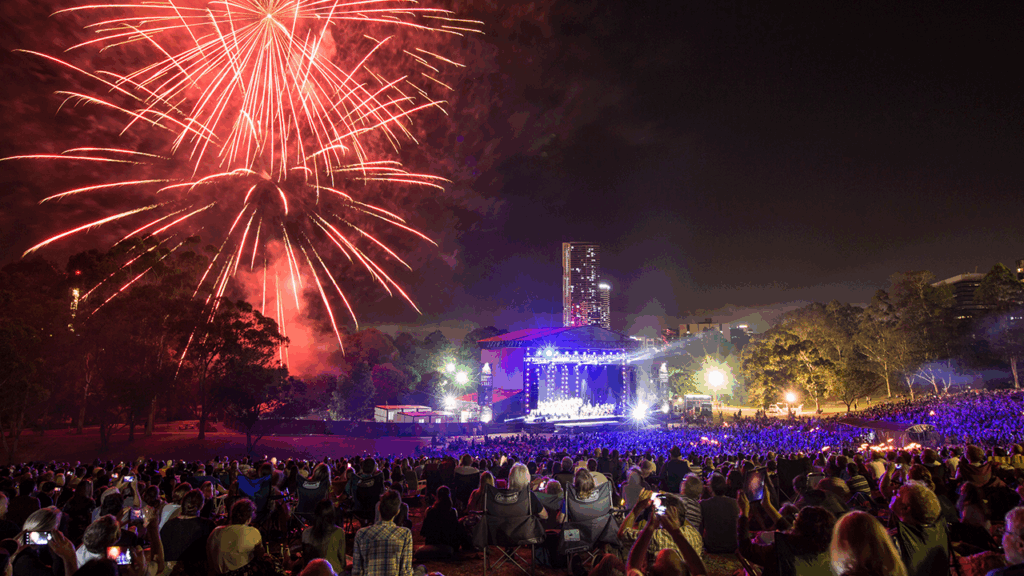
7. Sydney Symphony Under the Stars – 50 Years of Music and Pictures
- What it is: A special birthday edition of the beloved outdoor concert, bringing the Sydney Symphony Orchestra to Tumbalong Park at Darling Harbour for a free evening of live music beneath the city lights. (Sydney Festival)
- When & where: 17 January, Tumbalong Park, Darling Harbour
- Cost: Free ✅
Why kids will love it:
It’s the easiest possible way to introduce kids to an orchestra: no dress code, no shushing, just a picnic rug, snacks and the freedom to wiggle, whisper and watch the stars. The visual backdrop of Darling Harbour doesn’t hurt either.
Best for: All ages, especially families with prams or mixed-age siblings; anyone tackling a “no more screen time” night.
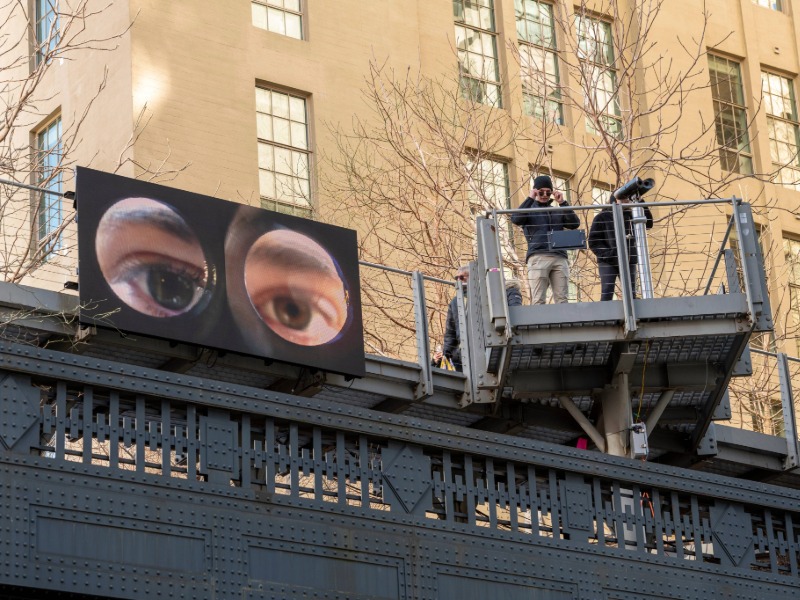
8. Observer, Observed – art you can step into
- What it is: An outdoor installation by Julia Phillips on Pyrmont Bridge, inviting passers-by to consider what it means to look – and be looked at. It’s part sculpture, part social experiment, and you can weave it into a walk or scooter ride.
- When & where: 8–25 January, Pyrmont Bridge
- Cost: Free ✅
Why kids will love it:
Kids are natural philosophers (“But who is watching me?”), and this gives them a quirky, physical way to explore those big ideas. It’s also a good low-pressure option if your child struggles with crowds or long shows – you can wander through at your own pace and bail whenever you need to.
Best for: Curious kids, little photographers, families who love a city stroll.
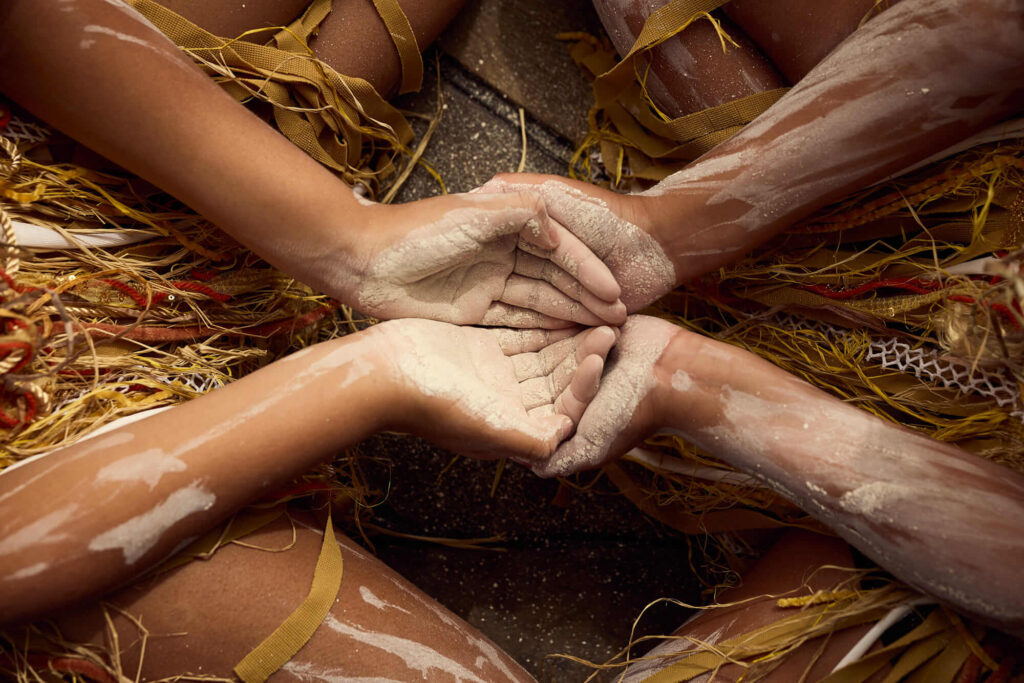
9. Vigil: Belong – ceremony, song and sunset at Barangaroo
- What it is: A free sunset gathering led by Nardi Simpson, Lucy Simpson and Uncle Matthew Doyle, mixing rising smoke, song and ceremony at Barangaroo Reserve. While not strictly a “kids’ show”, it’s listed in the family-friendly collection and can be a powerful, age-appropriate way to share culture and contemporary ceremony with older kids.
- When & where: 25 January, Barangaroo Reserve
- Cost: Free ✅
Why kids will love it:
There’s something magical about being out after dark with mum or dad, especially when the occasion carries meaning and atmosphere. Expect big skies, powerful music and a sense of community that’s hard to describe but deeply felt.
Best for: Tweens and teens, families who are comfortable talking about history, culture and country.
About Author