Best Skincare for Tweens and Teens in Australia





The Best Skincare for Tweens and Teens (and What Parents Should Avoid)
From TikTok favourites Bubble and BYOMA to homegrown brands Oh Flossy and Petite Skin Co., plus budget-friendly pharmacy buys, here’s our parent-friendly guide to what’s worth buying, what to skip and how to keep young skin healthy.
If your 10-year-old knows more about hyaluronic acid than you do, you’re not alone.
From birthday wish lists featuring Drunk Elephant to Saturday afternoon MECCA trips, skincare has become big business among tweens and teens. But while there’s nothing wrong with a little bathroom pampering, many of the products flooding our kids’ social media feeds are designed for skin that’s decades older than theirs.
So, what should you actually be buying? Which viral beauty products are worth the hype? And can you put together a skincare routine without spending a small fortune?
We’ve done the homework for you.
🧴 At what age should kids start using skincare?
There’s no magic age at which children need to start a dedicated skincare routine. Sun protection is important throughout childhood, while cleansing and moisturising can be introduced according to individual skin needs.
For most tweens (aged 9–12), three simple essentials are plenty:
- A gentle facial cleanser
- A moisturiser, if needed
- Broad-spectrum SPF50+ sunscreen
Teenagers experiencing hormonal changes, excess oil or breakouts may benefit from additional targeted treatments.
The goal? Healthy, comfortable skin, not flawless skin.
🚩 What skincare ingredients should parents avoid?
Before heading to the checkout at Sephora or MECCA, take a closer look at what’s inside those colourful bottles.
Ingredients generally unnecessary for healthy young skin include:
- Retinol and other cosmetic anti-ageing treatments
- High-strength vitamin C serums
- Glycolic acid and strong exfoliating toners
- Chemical peels and abrasive facial scrubs
- Heavily fragranced skincare
Instead, look for gentle formulations containing hydrating ingredients such as glycerin, ceramides, squalane and hyaluronic acid.
Acne treatments are a separate matter and should be selected according to your child’s age and skin needs, with advice from a pharmacist or doctor.
🫧 The best cleansers for tweens and teens
A good cleanser removes everyday dirt, oil and sunscreen without leaving skin feeling tight or dry.
Cetaphil Gentle Skin Cleanser | $16.99 (236ml)
Best for: A first skincare routine.
Gentle, fragrance-free and suitable for sensitive skin, this pharmacy favourite is a sensible starting point for younger tweens.
CeraVe Hydrating Cleanser
Best for: Normal, dry or sensitive skin.
A creamy, non-foaming cleanser containing ceramides and hyaluronic acid. If your teen has oilier skin, consider the brand’s Foaming Cleanser instead.
Bubble Fresh Start Gel Cleanser | $25 (125ml)
Best for: TikTok-inspired skincare fans.
With its playful packaging and fragrance-free gel formula, this is one viral beauty buy worth considering.
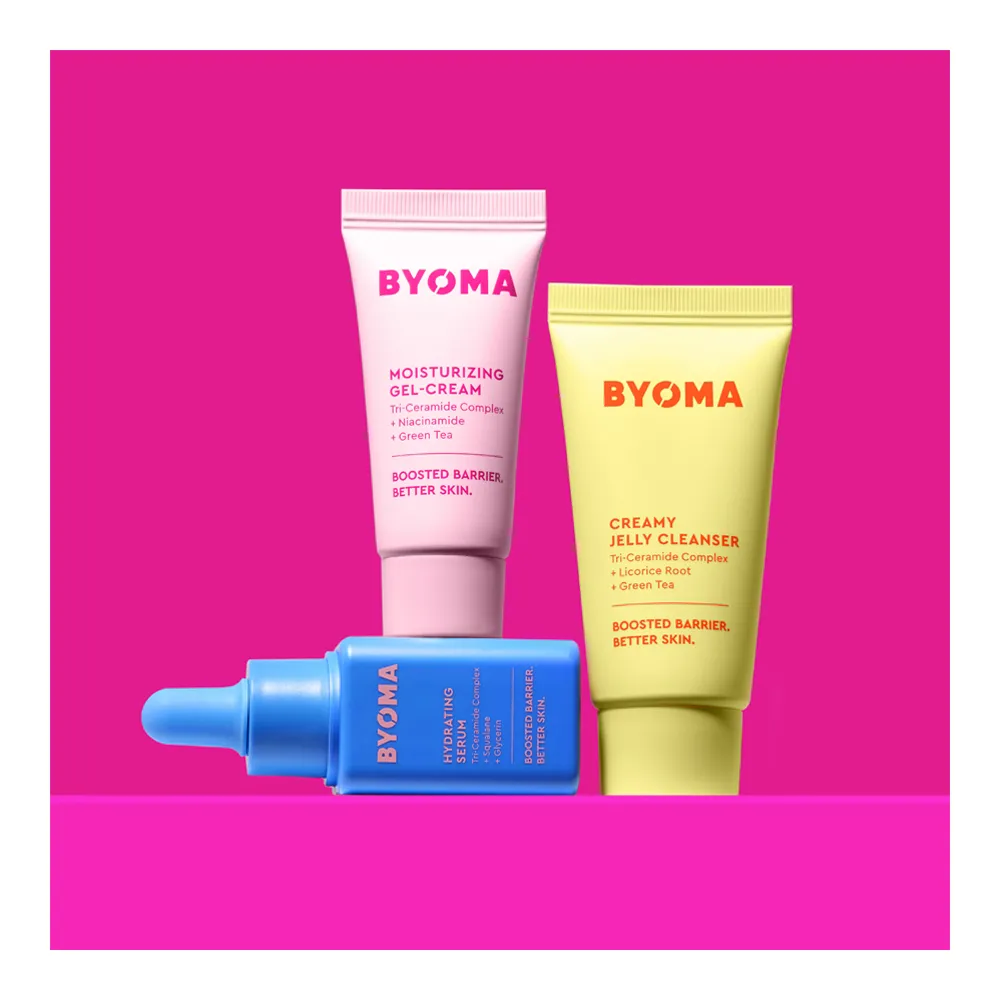
BYOMA Creamy Jelly Cleanser | From $24
Best for: Sephora-loving tweens and teens.
Behind that sunshine-yellow packaging is a soap-free, fragrance-free cleanser containing ceramides. A more sensible Sephora purchase than an exfoliating toner.
💧 The best moisturisers for young skin
Look for simple hydration rather than products promising to brighten, resurface or reverse signs of ageing.
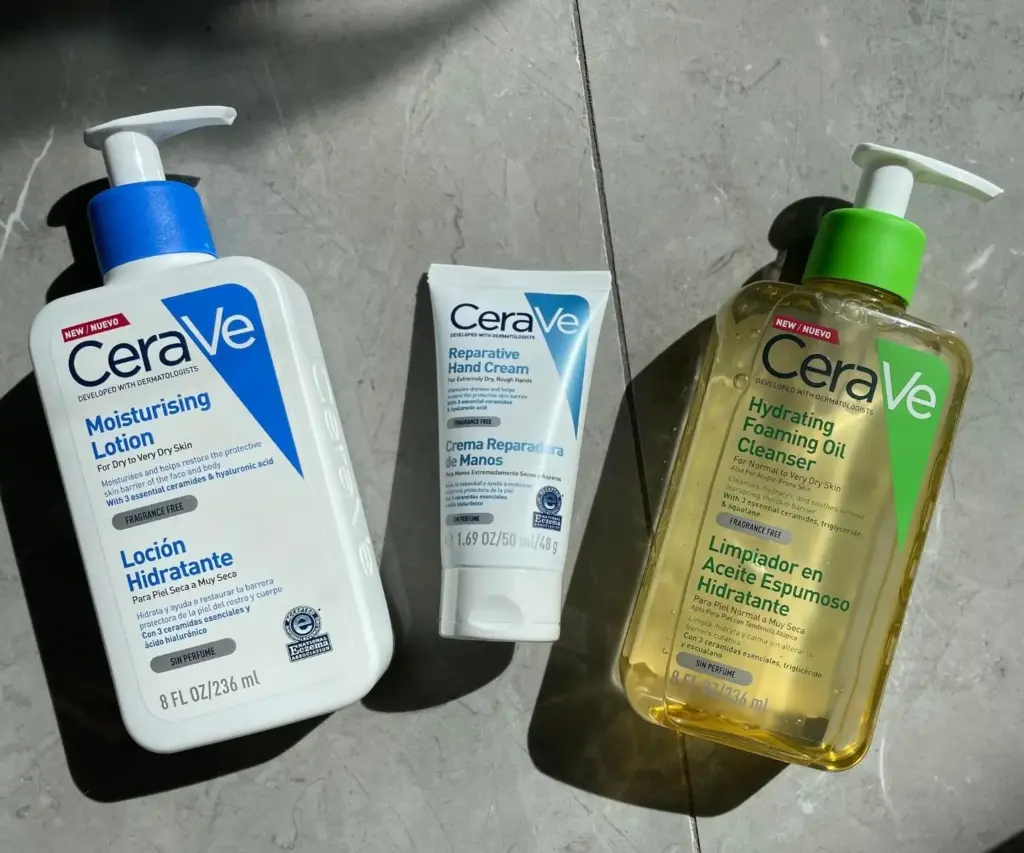
CeraVe Moisturising Lotion | $19.99 (236ml)
Best for: Everyday hydration and value for money.
Lightweight, fragrance-free and suitable for both the face and body. One bottle can serve the whole family.
Bubble Slam Dunk Hydrating Moisturiser | $28 (50ml)
Best for: Normal to dry skin.
The colourful packaging and fun pump dispenser are part of the appeal, but this moisturiser also offers a relatively straightforward approach to hydration.
BYOMA Moisturising Gel Cream | $27
Best for: Normal to oily skin.
A lightweight, oil-free and fragrance-free moisturiser containing ceramides. A good option for teens who dislike heavier creams.
MECCA MAX Thirst Impression Hydrating Moisturiser
Best for: A first MECCA skincare purchase.
If your tween is desperate for a MECCA shopping trip, this fragrance-free moisturiser containing hyaluronic acid and squalane is worth considering over expensive anti-ageing products.
🇦🇺 Three Australian skincare brands made for tweens and teens
Looking for a first skincare set, birthday present or Christmas gift? These homegrown brands cater specifically to younger beauty fans.
Oh Flossy Fresh Face Starter Kit | $54.95
From the Australian brand behind popular children’s play makeup comes a skincare range designed for tweens and teens. This beautifully packaged starter kit contains the Glow Getter Gentle Gel Cleanser (120ml) and Dreamy Dew Hydrating Moisturiser (50ml).
Best for: A fun first skincare gift. Both products contain fragrance, so consider fragrance-free alternatives for particularly sensitive skin.
Petite Skin Co. My First Skincare Routine | $140 RRP
Designed for kids aged 7–14, this Australian brand makes skincare appealing with playful packaging and easy-to-follow routines. Its signature starter set includes a facial cleanser, moisturiser and SPF50 sunscreen.
Best for: A premium skincare gift. Some formulations contain fragrance or essential oils, so check the ingredients if your child has sensitive skin.
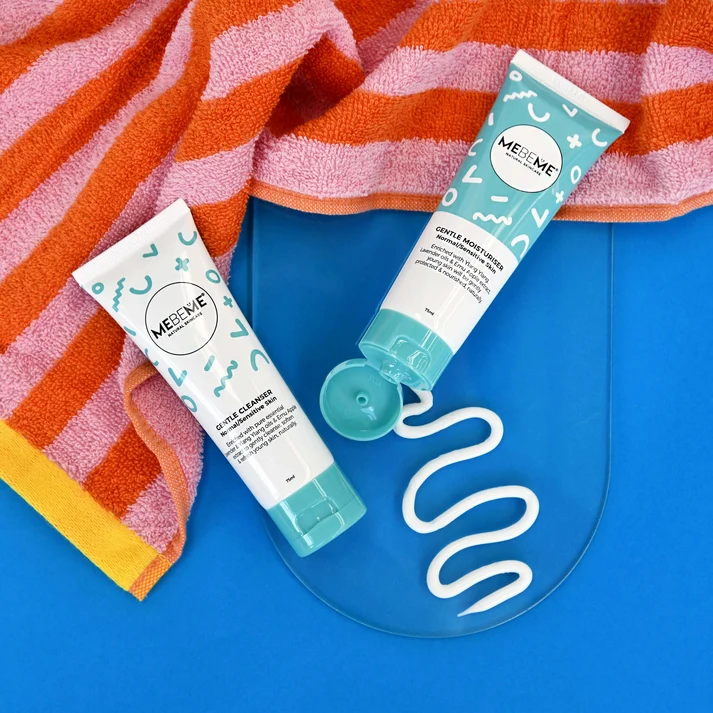
MEBEME Gentle Duo
This Australian-made skincare brand caters to the changing needs of tweens and teens, with a Gentle range for normal to dry skin and a Balancing range for oily and blemish-prone skin.
Best for: Younger skin transitioning through puberty.
🌟 Parent tip: Products designed specifically for tweens can make skincare more fun, but they aren’t necessarily better for young skin than affordable pharmacy favourites. Look at the ingredients, not just the packaging, and remember to add daily sun protection.
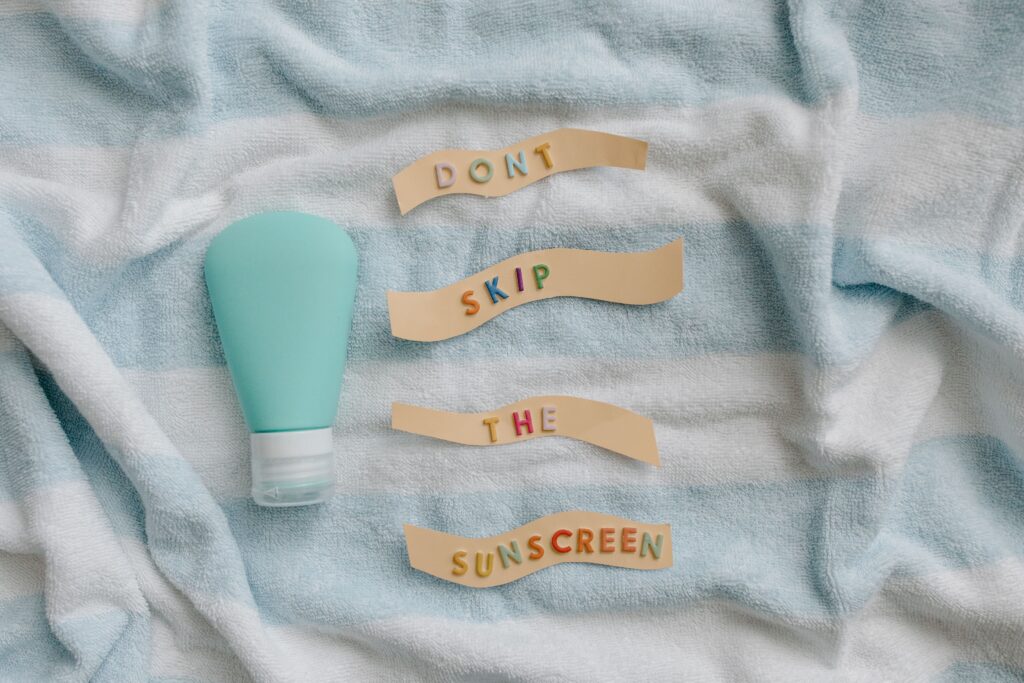
☀️ The most important skincare purchase of all? Sunscreen
Forget the expensive serums. Daily sun protection is one of the most valuable skincare habits children can develop.
Look for broad-spectrum, water-resistant SPF50 or SPF50+ sunscreen.
Hamilton Everyday Face SPF50+ | $16.99 (75g)
Best for: Everyday facial sun protection.
A lightweight formula with a matte finish for kids who complain that sunscreen feels too greasy.
La Roche-Posay Anthelios Wet Skin SPF50+ | $47.99 (200ml)
Best for: Sport, swimming and beach days.
A face and body sunscreen designed for outdoor activities and family use.
Apply sunscreen generously 20 minutes before heading outdoors and reapply every two hours and after swimming, sweating or towel-drying. Don’t forget hats, sunglasses, protective clothing and shade.
Check the TGA’s sunscreen safety updates for current product alerts.
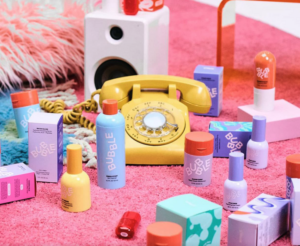
🛍️ Viral skincare: worth buying or worth skipping?
Next time your child presents you with a skincare wish list, here’s a handy shopping cheat sheet.
| Product | Parent verdict |
|---|---|
| Gentle cleansers | ✅ Worth buying |
| Basic moisturisers | ✅ Worth buying if needed |
| SPF50+ sunscreen | ✅ Essential |
| Hydrocolloid pimple patches | ✅ Useful for individual pimples |
| Hyaluronic acid serums | 🤷 Generally unnecessary |
| Hydrating face mists | 🤷 Fun but not essential |
| Under-eye masks | 🤷 Save your money |
| Glow drops | 🤷 Not a skincare essential |
| Strong exfoliating toners | ❌ Skip |
| Anti-ageing retinol | ❌ Skip |
| Chemical peels | ❌ Skip |
As for popular brands such as Drunk Elephant, Glow Recipe and The Ordinary? It’s the individual product and its ingredients that matter. Stick to gentle basics rather than buying an entire range because it’s trending.
🛒 Two starter skincare routines for different budgets
Not sure where to start? Here are two simple shopping lists.
The budget-friendly pharmacy routine | Around $54
- Cetaphil Gentle Skin Cleanser
- CeraVe Moisturising Lotion
- Hamilton Everyday Face SPF50+
The beauty-loving tween routine | Around $70
- Bubble Fresh Start Gel Cleanser
- Bubble Slam Dunk Hydrating Moisturiser
- Hamilton Everyday Face SPF50+
Already have a suitable family moisturiser or sunscreen at home? There’s no need to buy another one.
🌸 What about teenage breakouts?
Pimples are a normal part of growing up, but teenagers don’t have to simply put up with acne.
Hydrocolloid pimple patches, including the fun designs from Australian brand tbh Skincare, can help discourage picking, although they don’t treat underlying acne.
For persistent breakouts, speak to your pharmacist or GP about age-appropriate acne treatments, including products containing benzoyl peroxide or salicylic acid.
If acne is painful, persistent, affecting your child’s confidence or leaving scars, seek medical advice early.
⚠️ Signs your child might be using the wrong skincare
Persistent redness, burning, stinging, peeling and unusual dryness can all be signs that a product is irritating their skin.
Introduce new products one at a time, patch test on a small area of skin and stop using anything that causes irritation. Seek medical advice if symptoms persist or are severe.
Children with eczema or particularly sensitive skin may need personalised skincare advice.
☀️ A simple skincare routine to screenshot and save
Morning: Rinse or gently cleanse, moisturise if needed and apply SPF50+ sunscreen.
Evening: Gently cleanse to remove sunscreen, dirt and makeup, then moisturise if needed.
That’s it. No toners, five different serums or elaborate ten-step routines required.
There’s nothing wrong with kids enjoying skincare. But let’s keep the conversation focused on looking after their skin, rather than correcting perceived imperfections.
And if that means swapping a $100 serum for a gentle pharmacy cleanser and spending the savings on something fun? Even better.
Prices are indicative Australian retail prices as of November 2026 and may vary between retailers and during promotions.
Sources and Further Reading
Want to know more about looking after young skin? These trusted medical and dermatology resources offer expert advice on age-appropriate skincare, managing teenage breakouts and navigating popular beauty trends.
- Royal Children’s Hospital Melbourne: Acne and teen skin health
- American Academy of Dermatology: A dermatologist’s guide to skincare
- American Academy of Pediatrics: Trendy skincare for tweens and teens – is it safe?
- Cancer Council Australia: Sunscreen and sun protection advice
This article is intended as a general guide. If you have concerns about your child’s skin, speak to your GP, pharmacist or dermatologist for personalised advice.
About Author