
Daycare bugs doing the rounds? 7 realistic ways to support your child’s immune health





7 tips from a Clinical Nutritionist to help keep daycare bugs at bay
If your child seems to spend five days at daycare followed by seven days at home with the latest cough, cold or mystery bug, you’re certainly not alone.
Winter might be over but Spring brings its own share of bugs and illness. When little ones attend daycare, it can seem as though something new is circulating almost every week. Add disrupted sleep, missed work and a household passing the same virus around, and the new season can feel particularly relentless.
I’m Kelly Suggate, a paediatric and women’s health nutritionist working out of Papaya Clinic in Newtown. While there is no single food, supplement or routine that can prevent every daycare illness, nutrition can help support a young child’s developing immune system.
Here are my practical tips to help support your child’s immune health this spring.
Why do young kids get sick so often?
When your baby is born, their immune system is still developing. That’s actually why toddlers seem to catch every single cold or bug going around at daycare: their body is still learning how to fight things off and build up its defences over time. What we do know is that around 70-80% of our immune cells reside in the gut and the environment around a young child (including what they eat) plays a big role in shaping their gut health, and therefore immune health.
So it’s not about one magic food or supplement. It’s the everyday stuff: a variety of whole foods, fibre, good sleep and play that keeps our little ones happy and helps a young immune system grow stronger over time.
And if your child currently refuses anything that isn’t beige, don’t panic. They don’t need to eat every food on this list. Small additions to familiar meals and variety across the week all count.

Here are 7 tips to support your child’s immune system:
1. Include vitamin C rich foods
Vitamin C is probably one of the most well-known nutrients for supporting the immune system. A high-quality, trusted systematic review of medical research and health care published in 2013 found that regular vitamin C consumption can reduce the severity and frequency of the common cold in children (1).
Good sources include capsicum, kiwi fruit, broccoli, oranges, strawberries, papaya and nori.
Easy wins: Add berries to breakfast, offer capsicum with hummus or mix broccoli into pasta sauce, fritters or fried rice.
2. Keep honey handy for coughs
This is one of my favourite food as medicine hacks: it’s natural, easy, cheap, and your kids likely love the taste.. and it has been well-studied in children to provide symptomatic relief from coughs when compared to no treatment, placebo, and certain cough medicines (diphenhydramine and salbutomol) (2,3). Any honey can be used, but I prefer to use a high quality Manuka honey (the darker the colour, the richer the antioxidants).
Just remember: Do not give honey to children under 12 months of age, due to the risk of infant botulism.
Seek medical advice if your child has difficulty breathing, is unusually drowsy, isn’t drinking or shows signs of dehydration.

3. Boost vitamin D
Vitamin D plays helps regulate immune-cell activity. Children may be at greaterrisk of deficiency during winter and spring because with changeable weather conditions, they spendmore time indoors and UV levels are lower.
Children with vitamin D deficiency are at higher risk of respiratory infections (4), so it’s worth paying attention to how much they are getting.
Oily fish such as salmon, sardines, and mackerel) are good food sources. Egg yolks and fortified goods can also contribute smaller amounts. ut the best way to support vitamin D levels is via daily safe sun exposure. Given the UV index is a lot lower in winter and early spring, you can use an app such as dminder which helps you track the optimal time of day to get vitamin D from the sun. If your little one spends limited time outside, or they are exclusively breastfed then supplementation may be warranted, but discuss with a health professional first.
Another food as medicine hack is sunbaked mushrooms. Place them belly side up in the sun for 30mins to 2 hours and they will produce a solid amount of vitamin D (5). They can be stored back in a paper bag in the fridge for 7 days and will retain the vitamin D prior to eating.
For mushroom-resistant children, try finely chopping them into bolognese, meatballs, savoury muffins or pasta sauce.
4. Include zinc rich foods
Zinc helps the immune system grow and repair the cells it needs to fight off infections, and it plays a role in how the body responds when your child is unwell. Zinc deficiency is most clearly linked to impaired immune function in children, including increased risk of respiratory infections and diarrhoeal diseases (6, 7).
More familiar everyday options also include eggs, dairy foods, chicken, legumes and fortified cereals.
Easy ways to add zinc include:
- Stirring tahini into hummus, yoghurt or salad dressing.
- Adding ground seeds to porridge, smoothies or muffins.
- Serving eggs on toast or in a simple omelette.
- Add lentils to mince dishes such as bolognese and tacos.
- Swap your peanut butter for a seed butter that includes pumpkin seeds.
Whole nuts and seeds can be a choking hazard for young children, so serve them in an age-appropriate form, such as finely ground, blended or as a smooth spread.
5. Feed the good gut bugs
Good gut health is closely tied to good immune system health.
Consuming probiotic-rich foods daily, such as yoghurt, kefir, or sauerkraut is a simple strategy to ensure your child is getting exposed to good bacterial strains. If you are looking for a little extra support, a probiotic supplement may be useful. Research shows that Lactobacillus rhamnosus GG can reduce the frequency and duration of respiratory infections in children (8). One study using a combination of probiotic strains also reported a reduction in fever duration by 2 days (9).
Speak to a health professional first to ensure you are selecting a high quality product appropriate for your child.
6. Offer Iron rich foods regularly
Did you know young children need more iron per kg of body weight than adult men because they are growing rapidly? Combine this with high rates of fussy eating in this age group (which often includes aversions to iron-rich meats) and it’s not surprising that iron deficiency is one of the most common nutrient deficiencies in Australian children. Recent research suggests it may affect, 15% of 1 year olds and 20% of 3 year olds (10).
Iron helps the body produce and power the immune cells that fight off infections. ow iron levels may therefore make it harder for a child’s immune system to function effectively. .
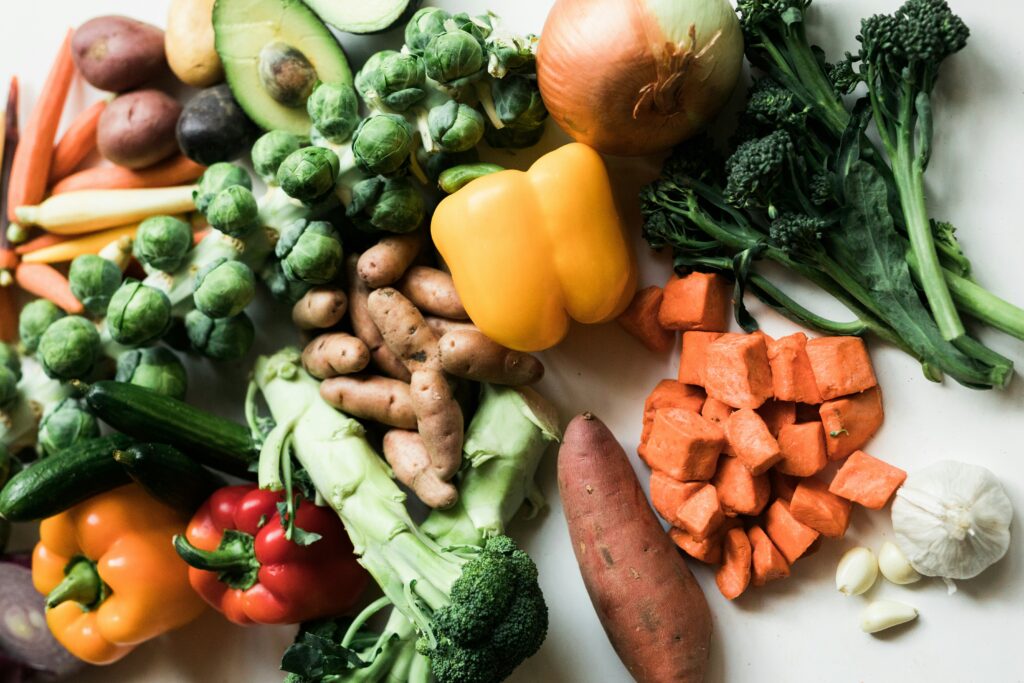
Iron-rich foods include red meats, chicken thigh, organic liver (if you can stomach cooking it), dark leafy greens, tomato paste, dried apricots, hemp seeds, and chia seeds.
Pairing plant-based iron sources with vitamin C rich foods can help boost absorption.
For example:
- Chia pudding with berries.
- Spinach pikelets with capsicum on the side.
- Lentil pasta sauce made with tomato paste.
- Iron-fortified cereal topped with kiwi fruit or strawberries.
- Beef or bean tacos with tomato and capsicum.
Tea can reduce iron absorption, so it is best not to serve it with your child’s meals.
If you suspect your little one is low in iron, or if they are struggling with picky eating (which can be a symptom of iron or zinc deficiency itself), then reach out to a health professional for support. This is exactly what I can support your child with at Papaya Clinic.
7. Don’t forget about Vitamin A
Vitamin A supports a child’s immune system by helping maintain the health of the skin and the linings of the gut and airways, which act as the body’s first line of defence against germs. It also helps immune cells develop and respond effectively, supporting healthy growth and recovery from infection.Vitamin A can be found in chicken liver, lamb, butter and ghee, and in smaller amounts in milk and cheese. Beta carotene (converted to vitamin A by the body) can be found in sweet potato, carrots, pumpkin, nori, dill, parsley, rockmelon, spinach, rocket, and apricots.
This is another nutrient where familiar foods can do much of the heavy lifting. Roast pumpkin, mashed sweet potato, grated carrot in pasta sauce or spinach blended into pikelets are all easy places to begin.
Liver is extremely rich in vitamin A, so it should only be served in small, age-appropriate amounts. Vitamin A supplements should not be given unless recommended by a qualified health professional.
A realistic winter shopping list
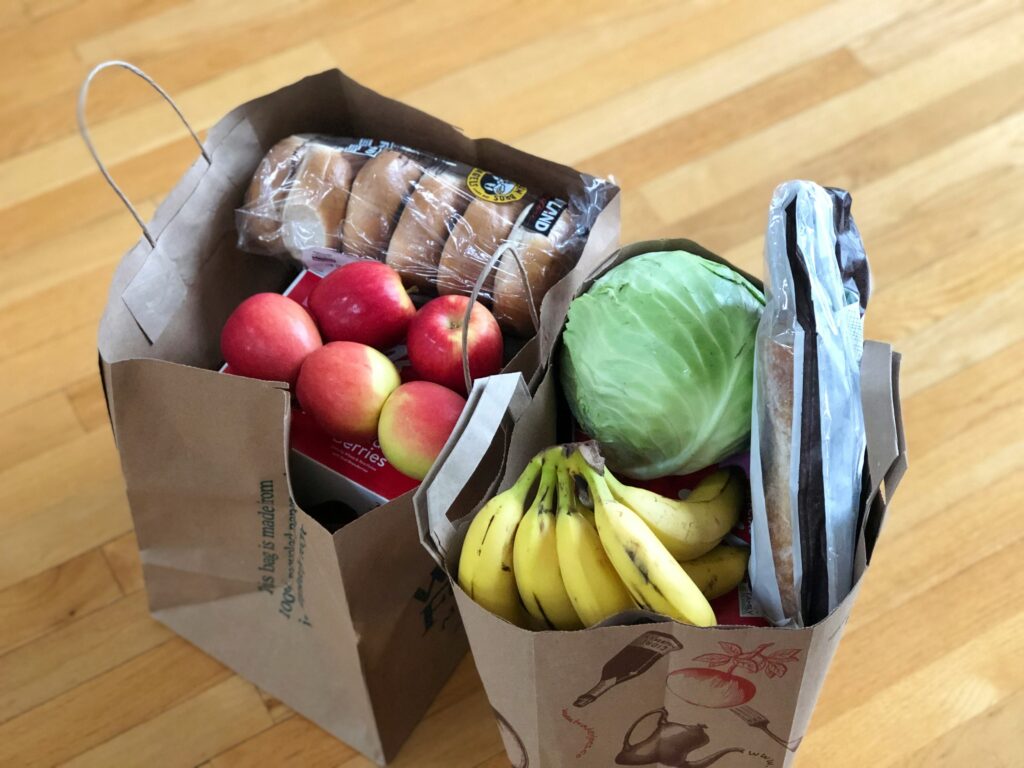
You do not need to overhaul the family menu. Choose a few foods your child already accepts and build from there:
- Berries, kiwi fruit, oranges or capsicum for vitamin C
- Meat, eggs, tahini, legumes or seeds for zinc and iron
- Yoghurt or kefir for beneficial bacteria
- Salmon or sardines for vitamin D
- Sweet potato, carrots or pumpkin for beta carotene
- Honey for children over 12 months when coughs strike
Exposure matters more than perfection. Your child may need to see a new food many times before they are comfortable touching, tasting or eating it.
When to seek professional advice
Frequent daycare illnesses are common and do not necessarily mean there is something wrong with your child’s immune system. However, professional advice may be helpful if your child:
- is taking longer than expected to recover
• seems unusually tired, pale or low in energy
• is eating a very limited range of foods
• has concerns around growth or weight gain
• experiences frequent digestive symptoms
• has recurring skin concerns such as eczema
• may be at risk of a nutrient deficiency
A personalised nutrition plan can help identify realistic ways to support your child’s diet while taking their preferences, routines and family circumstances into account.

At Papaya Clinic, we offer:
- Individual guidance on foods and nutrients to support your child’s health.
- Advice around appropriate therapeutic or practitioner-grade supplements, where clinically indicated.
- Personalised plans and further testing, if required, to investigate nutrient deficiencies, gut-health concerns or skin conditions including eczema.
Because daycare bugs are often unavoidable. The goal is not to create a germ-proof toddler, but to give their growing body the nutritional foundations it needs to develop, recover and thrive.
This article provides general information only and is not a substitute for individual medical advice. Speak to your GP or another qualified health professional if you have concerns about your child’s health.
Papaya Clinic
📍Suite 6, 32-72 Alice Street, Newtown
☎️ (02) 90305086
📧 Email Us
References:
- Hemilä H, Chalker E. (2013). Vitamin C for preventing and treating the common cold. Cochrane Database of Systematic Reviews, Issue 1. Art. No.: CD000980. https://doi.org/10.1002/14651858.CD000980.pub4
- Oduwole O, Udoh EE, Oyo‐Ita A, Meremikwu MM. (2018). Honey for acute cough in children. Cochrane Database of Systematic Reviews, Issue 4. Art. No.: CD007094. https://doi.org/10.1002/14651858.CD007094.pub5
- Abuelgasim H, Albury C, Lee J. (2021). Effectiveness of honey for symptomatic relief in upper respiratory tract infections: a systematic review and meta-analysis. BMJ Evid Based Med. Apr;26(2):57-64. https://doi.org/10.1136/bmjebm-2020-111336
- Nicolae M, Mihai CM, Chisnoiu T, Arghir OC. (2025). Prevalence of Vitamin D Deficiency and its Association with Disease Severity in Children Hospitalized with Acute Respiratory Infections. Curr Health Sci J. Oct-Dec;51(4):484-490. https://doi.org/10.12865/CHSJ.51.04.07
- Cardwell G, Bornman JF, James AP, Black LJ. (2018). A Review of Mushrooms as a Potential Source of Dietary Vitamin D. Nutrients. Oct 13;10(10):1498. https://doi.org/10.3390/nu10101498
- Dinardo G, Indolfi C, Klain A, Grella C, Tosca MA, Miraglia del Giudice M, Ciprandi G. (2026). The Role of Zinc in Pediatric Respiratory Infections: Evidence from Clinical Trials and Real-World Studies. Nutrients; 18(4):557. https://doi.org/10.3390/nu18040557
- Baddam S, Maxfield L, Shukla S, et al. Zinc Deficiency. [Updated 2025 Aug 2]. In: StatPearls [Internet]. Treasure Island (FL): StatPearls Publishing; 2026 Jan-. Available from: https://www.ncbi.nlm.nih.gov/books/NBK493231/
- Zuhair MN, Wiriansya EP, Masyhuri I, Fakhri M, Hatta M, Djaharuddin I, Bukhari A. (2025). Role of Lacticaseibacillus rhamnosus GG in the Management of Respiratory Diseases: A Systematic Review and Meta-Analysis. Prev Nutr Food Sci. Jun 30;30(3):222-229. https://doi.org/10.3746/pnf.2025.30.3.222
- Bettocchi S, Comotti A, Elli M, et al. (2025). Probiotics and Fever Duration in Children With Upper Respiratory Tract Infections: A Randomized Clinical Trial. JAMA Netw Open; 8(3):e250669. https://doi.org/10.1001/jamanetworkopen.2025.0669
- D’Vaz, N., Bear, N., Tan, J., Whalan, S., Kidd, C. and Silva, D.T. (2025), Iron Deficiency in Young Australian Children: A Hidden Health Crisis Demanding Urgent Action. J Paediatr Child Health, 61: 1152-1153. https://doi.org/10.1111/jpc.70068
About Author