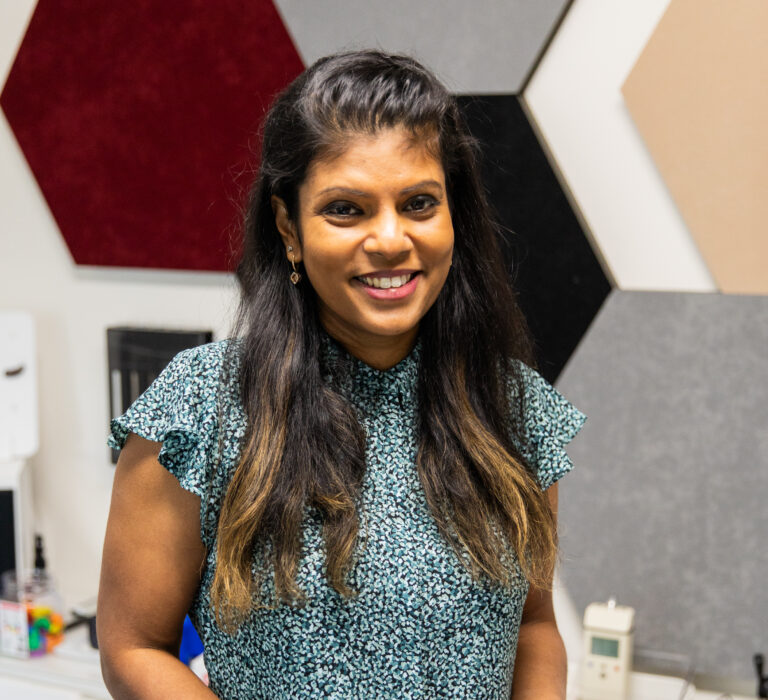
Getting to Know…Thuvi Chandrapavan, Ears Plus, Burwood




Meet Thuvi Chandrapavan, an Audiologist Inner West Families Can Turn To
Founder & Audiologist, EARS PLUS, Burwood
From “selective hearing” in kids to the TV creeping louder at Mum or Dad’s place, hearing changes can be easy to miss. Inner West mum and clinical audiologist Thuvaraka “Thuvi” Chandrapavan shares what parents should look out for, what she wishes more families knew about hearing health, and why she created EARS PLUS as a clinic for every generation.
Tell us a little about yourself and your journey to becoming a clinical audiologist. What drew you to hearing care?
I’m an Inner West mum with two little girls, and I’ve been a clinical audiologist for more than 15 years.
What first drew me to audiology was wanting to work with Aboriginal and Torres Strait Islander children. Middle-ear problems can have such an impact on a child’s hearing, learning and development, and I was fortunate to work in this area for several years. It really shaped me as a clinician.
My career then took me to the UK for seven years, where I worked extensively in paediatric audiology, including with children with additional and complex needs. When I returned to Australia, I continued working with children in a children’s hospital environment alongside ENT specialists, as well as in private clinical practice with both children and adults.
After more than 15 years, I still genuinely love what I do. When you care about the person and family sitting in front of you, you listen, you notice the little things and you really want the best outcome for them.
What inspired you to establish EARS PLUS in Sydney’s Inner West, and what did you want to do differently?
I kept coming back to one question: what kind of hearing clinic would I want to take my own children, my husband or my parents to?
That became EARS PLUS.
I wanted people to have time to explain what’s been happening, ask questions and understand their results. I never wanted someone to feel rushed through an appointment or that the conversation was heading towards a product before we’d really understood the problem.
I also wanted to look after the whole family. We can see a little one for their first hearing assessment, help Mum or Dad with tinnitus or wax, and later look after a grandparent who is beginning to notice changes in their hearing.
Being independent is important to me too. When we do recommend hearing technology, we can consider different options and find what genuinely suits that person, including their hearing, lifestyle, preferences and budget.
As an Inner West mum myself, opening EARS PLUS here felt right. I hope it becomes the kind of place local families feel comfortable coming back to over the years.
For parents, what signs of hearing difficulties in children can be easily missed, and what misconceptions do you hear most often?
Children can be tricky because they don’t necessarily know they’re not hearing normally. Whatever they’re hearing is simply normal to them.
Sometimes the signs are obvious, such as constantly saying “what?”, turning the TV up or not responding when called. But they can also be much more subtle. A child might seem distracted, misunderstand instructions, struggle more with background noise, become frustrated or even seem exhausted after school from working so hard to listen. Sometimes hearing difficulties can look like attention or behavioural problems.
Parents often say to me, “But they hear me perfectly sometimes!” Hearing can fluctuate, particularly when there are middle-ear problems, so a child may hear well face-to-face in a quiet room but struggle from another room or when there’s lots of background noise. That’s why it can genuinely seem as though “they hear when they want to”.
Another misconception is, “They passed their newborn hearing screening, so their hearing must be fine.” Newborn screening is incredibly important, but hearing can change as a child grows.
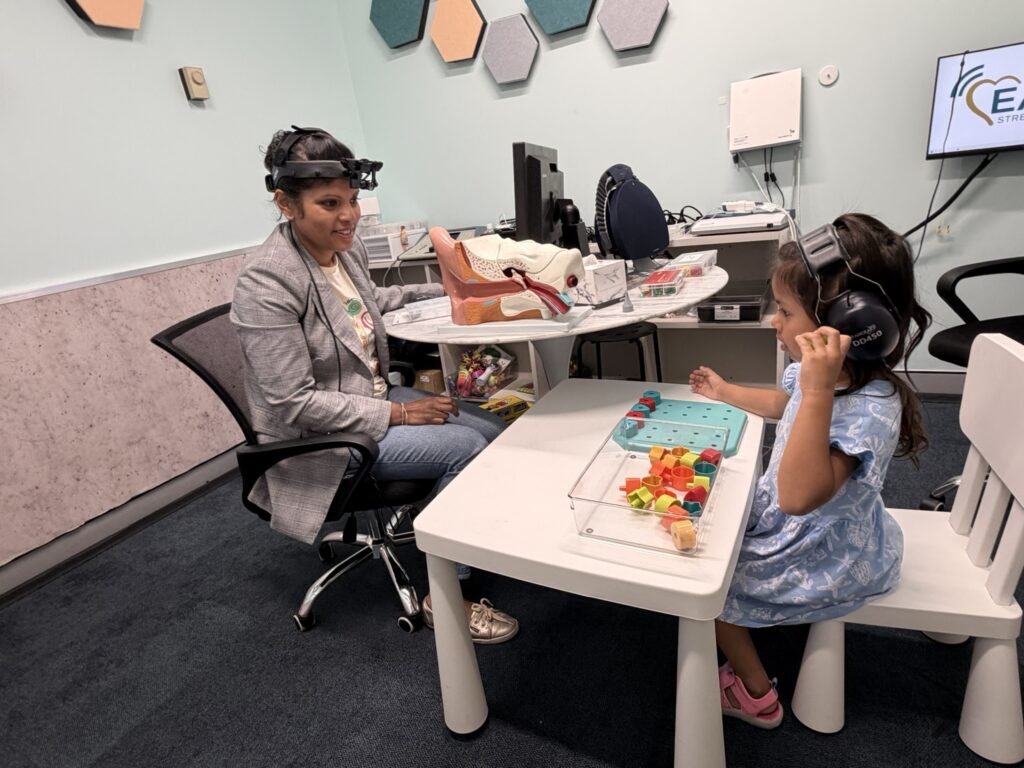
Parents are also often surprised by how young we can start assessing hearing. At EARS PLUS, we see children from around 10 months of age. We work at their pace and make the testing feel like play wherever we can. I want children to walk out thinking, “That was fun!” rather than feeling as though they’ve just been through a medical test.
My advice is always to trust your instincts. If something doesn’t feel quite right with your child’s hearing, listening, speech or language, it’s worth checking.
Are there any hearing concerns you’re seeing more frequently among children, adults or families?
With infants and younger children, we frequently see middle-ear fluid and infections, which can temporarily affect hearing. Because these are such important years for speech, language and learning, it’s worth checking hearing if parents have concerns.
With older children and teenagers, headphones, earbuds and personal listening devices are a big part of everyday life. I’m not against headphones at all. It’s about encouraging safe listening habits, sensible volume levels and giving our ears regular breaks.
In adults, I often hear, “I think my hearing is fine, but I really struggle when there’s background noise.” That’s worth paying attention to. We also see plenty of people with tinnitus and wax concerns.
The positive thing is that people seem to be becoming more proactive. I’d much rather someone come in and we say, “Everything looks good, let’s keep an eye on it,” than wait years because they thought their hearing wasn’t bad enough to have checked.
Many Inner West Mums readers are also supporting ageing parents. What early signs should families look out for, and how can they encourage a loved one to have their hearing checked?
When we start raising our own children, something interesting happens: we also become more aware of looking after our parents and grandparents. Suddenly we’re caring across generations.
The early signs of hearing loss can be subtle, such as turning the TV up, asking for repetition, struggling at restaurants or family gatherings, or becoming quieter in group conversations.
One comment I hear all the time is, “My hearing is fine, people just don’t speak clearly anymore,” or “Everyone mumbles these days!” Sometimes you can hear that someone is talking but start to lose the clarity of what they’re saying, particularly in background noise.
How we talk to our parents about it really matters. Instead of saying, “You can’t hear, you need hearing aids,” I’d say something like, “We want you to be part of the conversation and enjoy these moments with us. Why don’t we have your hearing checked and see what’s happening?”
I also encourage adults from around 65 to have a hearing check even if they haven’t noticed an obvious problem, so they have a baseline to monitor over time. And remember, having a hearing test doesn’t mean you’re going to walk out with hearing aids. Sometimes it’s simply about knowing where your hearing is at.
From tinnitus and ear wax removal to hearing aids, what are some areas of hearing health you wish people better understood?
With tinnitus, one of the saddest things I hear is, “I’ve been told there’s nothing you can do, I just have to live with it.” There isn’t one single treatment that works for everyone, but there are management strategies that can help reduce its impact on everyday life. The first step is understanding what’s happening and finding the right approach for that individual.
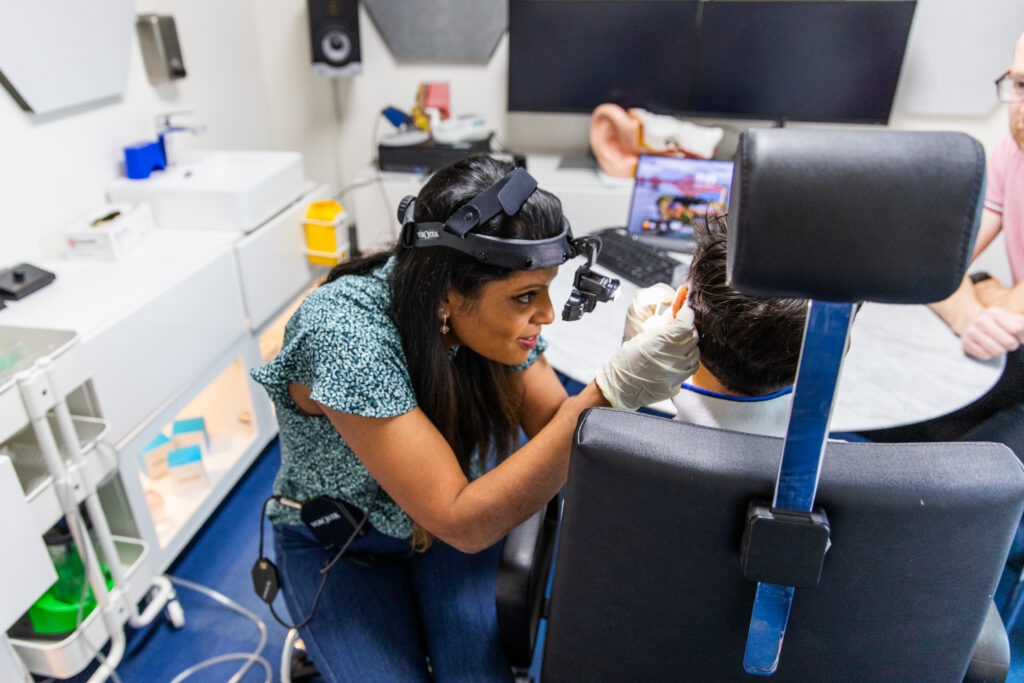
Wax is another big one. People often think they’re supposed to clean inside their ears with cotton buds, but our ears are designed to be largely self-cleaning. Cotton buds can push wax further down the ear canal and sometimes make things worse. I always say, don’t put anything smaller than your elbow in your ear! If wax is causing a problem, have it assessed and removed safely.
Hearing aids are another area where there are lots of misconceptions. They’re not simply devices that make everything louder. A good result is about choosing appropriate technology, programming it properly and supporting that person as they adjust. Hearing healthcare is about much more than hearing aids.
What can someone expect when they first visit EARS PLUS?
The first thing they can expect is a conversation. We don’t want to be solution-driven; we want to be listening-driven.
I want to start by asking: What’s brought you here? What’s bothering you? Where are you struggling? And what would you like to change? Two people can have almost identical hearing-test results and completely different lives, priorities and needs.
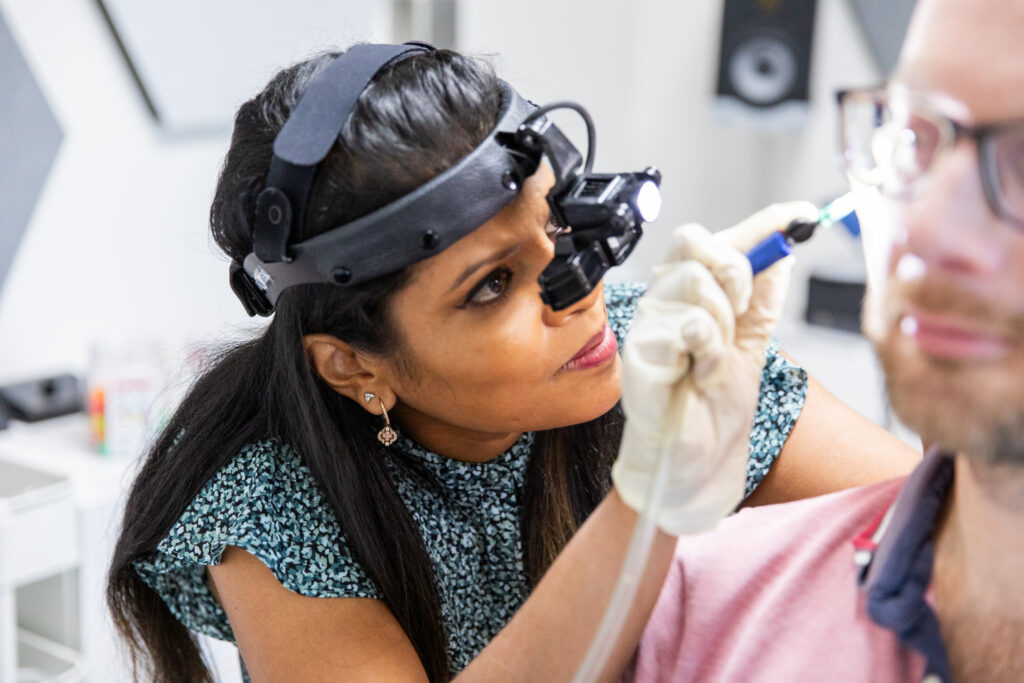
Once we’ve listened, then we assess. We explain what we’ve found in a way that makes sense, and only then talk about what might help. Sometimes that’s hearing technology. Sometimes it’s wax removal, tinnitus management, hearing protection, monitoring, a medical referral or simply reassurance that everything is okay.
I want people to feel they have their audiologist, someone who knows them, knows their hearing journey and will be there as their needs change.
Finally, what is the one thing you wish every family knew about looking after their hearing health?
Don’t wait until hearing becomes a big problem before you think about it.
With children, trust your instincts. If you’re wondering about their hearing, get it checked. Encourage healthy listening habits with headphones and protect their ears around loud noise. And do the same for yourself, your partner, your parents and your grandparents.
Hearing care isn’t only for older people or people who need hearing aids. It’s something we should think about throughout life.
For me, that’s what Strength in Hearing is really about: helping people hear, communicate and stay connected to the people and experiences that matter to them.
Want to find out more about EARS PLUS can help you or your family?
EAR PLUS Audiologist
☎️ (02) 9100 0450
📍Suite 202, Level 2, 74/76 Burwood Rd, Burwood NSW 2134
About Author

Related posts: